
Product of the month – stone and GRC vacuum lifters

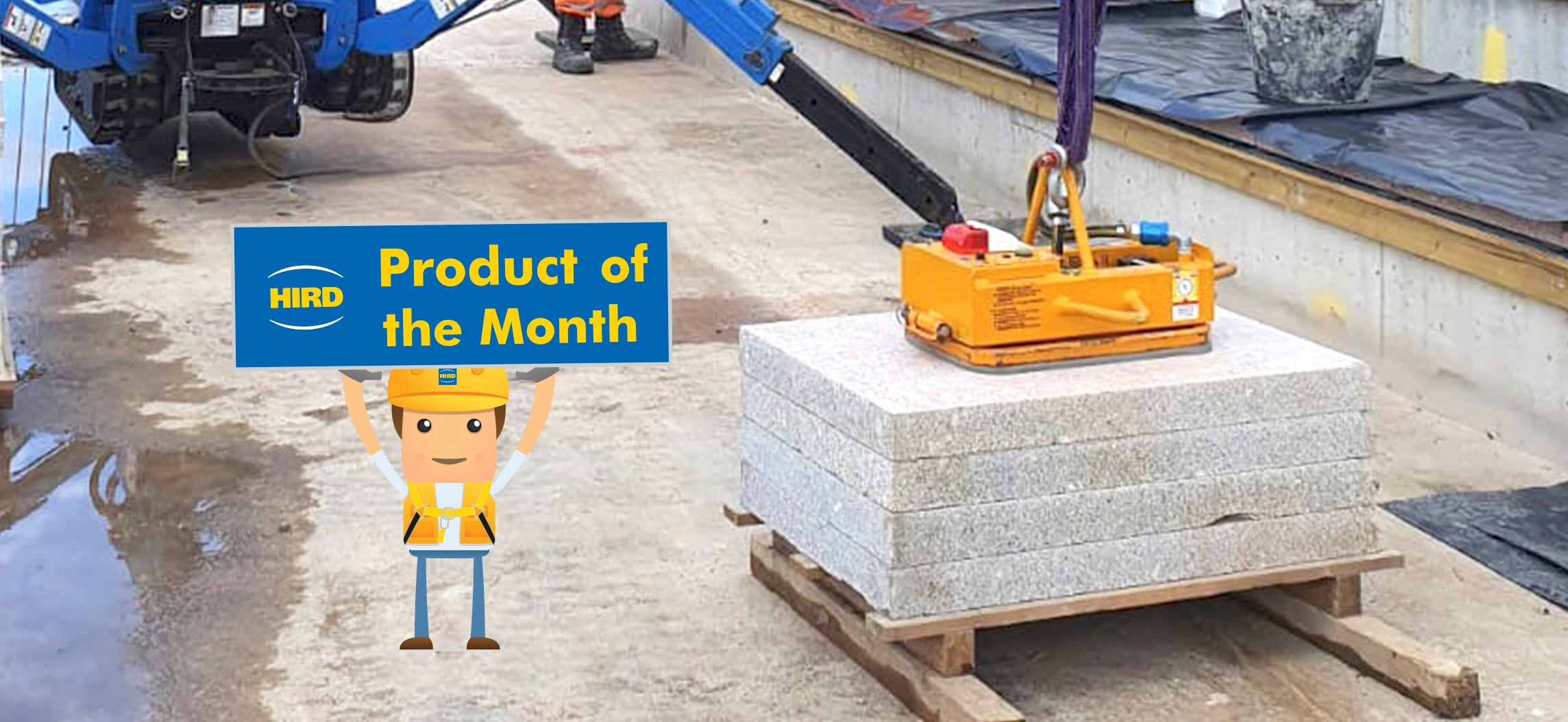
Our Product of the Month for September is actually a family of machines that have very impressive suction power – stone and glass reinforced concrete vacuum lifters.
That said, as we will explain later, they are nowhere nearly as impressive in the suction stakes as a creature smaller than the nail of your little finger.
Hird has three stone and GRC lifters available for hire – and they’re proving extremely popular due to their ability to reduce effort, maximise safety and optimise installation productivity.
Stone suction lifters for multiple materials and tasks
Like our glass vacuum lifters, they do a vital job of helping construction, maintenance and refurbishment teams move and place bulky stone and GRC loads.
Stone vacuum lifters can be used to lift loads made from a range of materials, such as plasterboard, marble, granite, and composite stone, often called engineered stone, commonly used to create high-end kitchen worktops.
A key capability of Hird’s stone and GRC vacuum lifters is the ability to safely lift materials of varying porosity and surface texture.
Unlike glass, many stone blocks, slabs or sheets, as well as GRC sections, have uneven surfaces.
Some may also have a honeycomb of tiny holes and cracks that allows air to seep through. This could potentially compromise the vacuum that holds the load safely in place.


Stone vacuum lifters – overcoming imperfections
Three design features work to overcome this risk:
- The vacuum is very powerful and the vacuum pad is larger than the single suction cups used for vacuum glass lifting.
- The vacuum pad is designed to accommodate tiny lumps, bumps and imperfections that would otherwise put a load held using suction at risk of falling.
- Also, a stone vacuum lifter will use one of two methods for maintaining suction:
- Either it will have a constant running suction system, so the vacuum is constantly being applied, so it is always maintained at its optimal level.
- Or it will have a stop-start system. With this, the vacuum pump stops when it reaches a level to safely hold the load, but then restarts at regular intervals to ensure the vacuum is maintained throughout the lift.
SK200 stone and GRC vacuum lifter
Taking Hird’s specialist vacuum lifters in order of capacity, the first to highlight is the SK200, which has a lifting capacity that ranges from 100kg to 470kg depending on its configuration and lifting set-up.
With its ‘medium’ pad fitted – 400mm by 300mm – its maximum capacity is 300kg for lifting loads held horizontally, or 200kg for loads held on their sides in a vertical axis.
Fitted with a different pad that measures 500mm by 200mm – it has a maximum capacity of 250kg for horizontal lifting and 165kg for loads held on their sides.
When fitted with a third specialist vacuum pad, supplied by Hird, the SK200 stone lifter’s capacity can be increased to 470kg.
The battery electric stone lifter has a constant running, single circuit vacuumation system and a low vacuumation warning alarm.


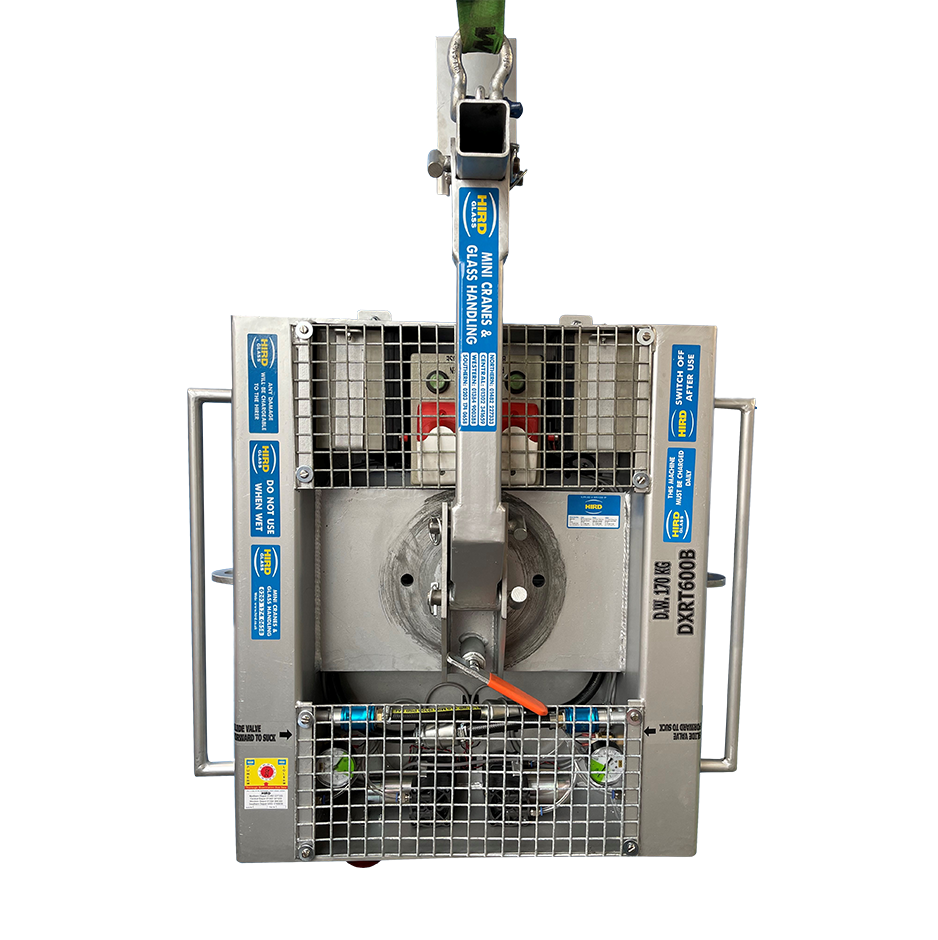
DXRT600B stone and GRC vacuum lifter
The DXRT600B stone vacuum lifter has a maximum lifting capacity of 600kg, which is achieved with a suction surface area provided by two vacuum pads, each measuring 400mm by 700mm.
The battery electric stone suction lifter can be operated as a constant runner or in stop-start mode to accommodate the composition of different materials it can be used to lift.
It also has a clever dual-action push and slide vacuum release system. The operator must push a safely lock button and slide a control valve or lever to release the load. This prevents an inadvertent movement from releasing the load.
The DXRT600B also has two independent vacuum systems, so if one vacuum pump fails, the second will continue to hold the load.
SK1000 stone and GRC vacuum lifter
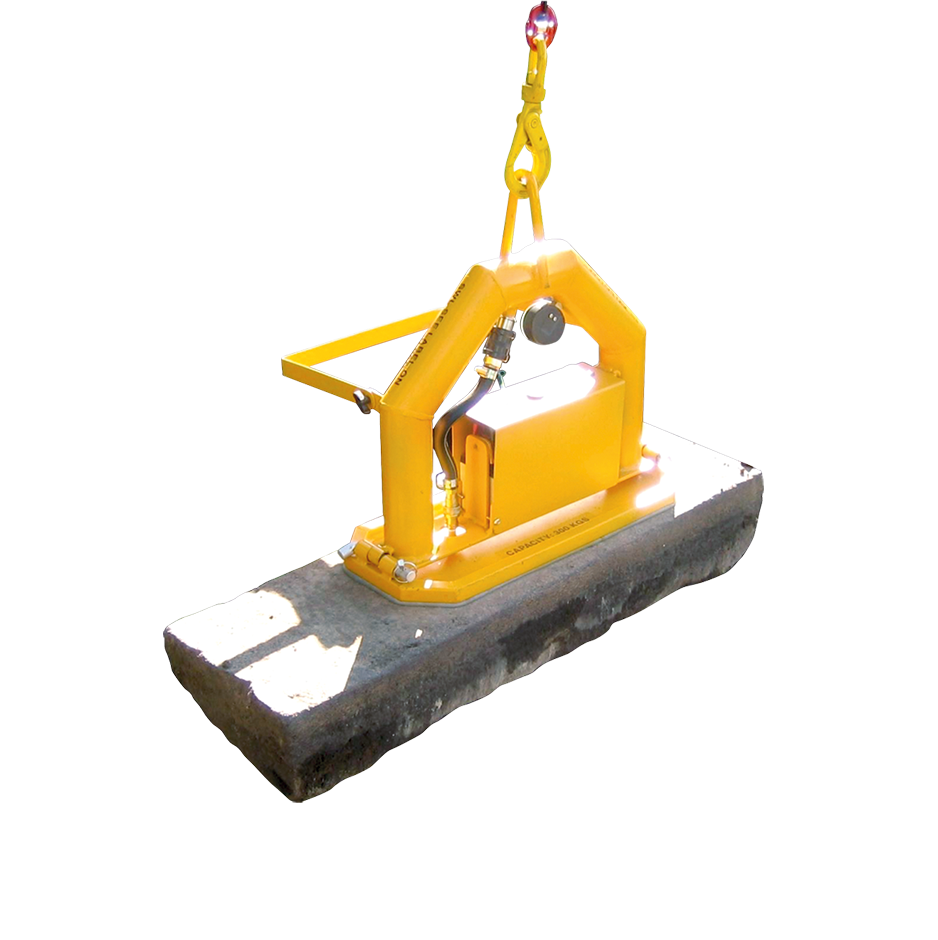
Hird’s most powerful stone vacuum lifter, the SK1000 is ideal for lifting stone blocks, kerb stones, large paving slabs and polished stone sheets.
It can also be put to work helping to install the growing range of composite construction panels, such as drywall sheets, plasterboard, and composite stone panels.
The SK1000 stone and glass reinforced concrete vacuum lifter has a single suction pad, measuring 450mm by 900mm, giving it a maximum lifting capacity of 1,000kg.
The battery electric powered machine has a side lift arm to enable vertical placement of materials and can be supplied with a range of spreader beams to support stable lifting of larger objects.
Impressive suction power – but check this out!
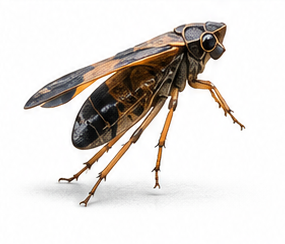
Hird’s stone and GRC vacuum lifters do a brilliant job. But in the suction stakes, they can’t come close to the froghopper, a tiny sap-sucking insect found all over the world, including in the UK.
To give you some context, elephants can inhale water through their trunks at speeds up to 330 mph with the equivalent of 0.02 megapascals of suction pressure.
Froghoppers, on the other hand, extract nutrients from a sap called xylem from trees by generating suction pressures up to 1.6 megapascals, which is 80 times greater than an elephant’s trunk power.

Elephants can inhale water through their trunks at speeds up to
Equivalent suction pressure

Froghoppers extract nutrients from xylem sap by generating suction pressures up to
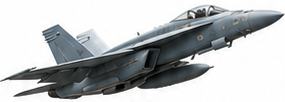
As a matter of interest, when jumping, their legs generate a force of 400 gravities, 44 higher than the 9 gravities fighter jet pilots experience during extreme manoeuvres.
When jumping, a froghopper’s legs generate a force of
That’s 44 times higher than the 9 gravities fighter jet pilots experience during extreme manoeuvres.
And, human suction power? The record for sucking down a standard pint of beer is 0.45 seconds, and for sucking a pint of beer through a straw, it’s 11.6 seconds.
Both record were set by London-born Peter Dowdeswell, now 86, who raised £4.2 million for charity taking on eating and drinking challenges.
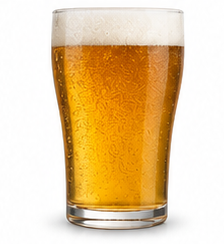
Standard pint of beer
Pint of beer through a straw
Mini cranes for vacuum lifters – food for thought
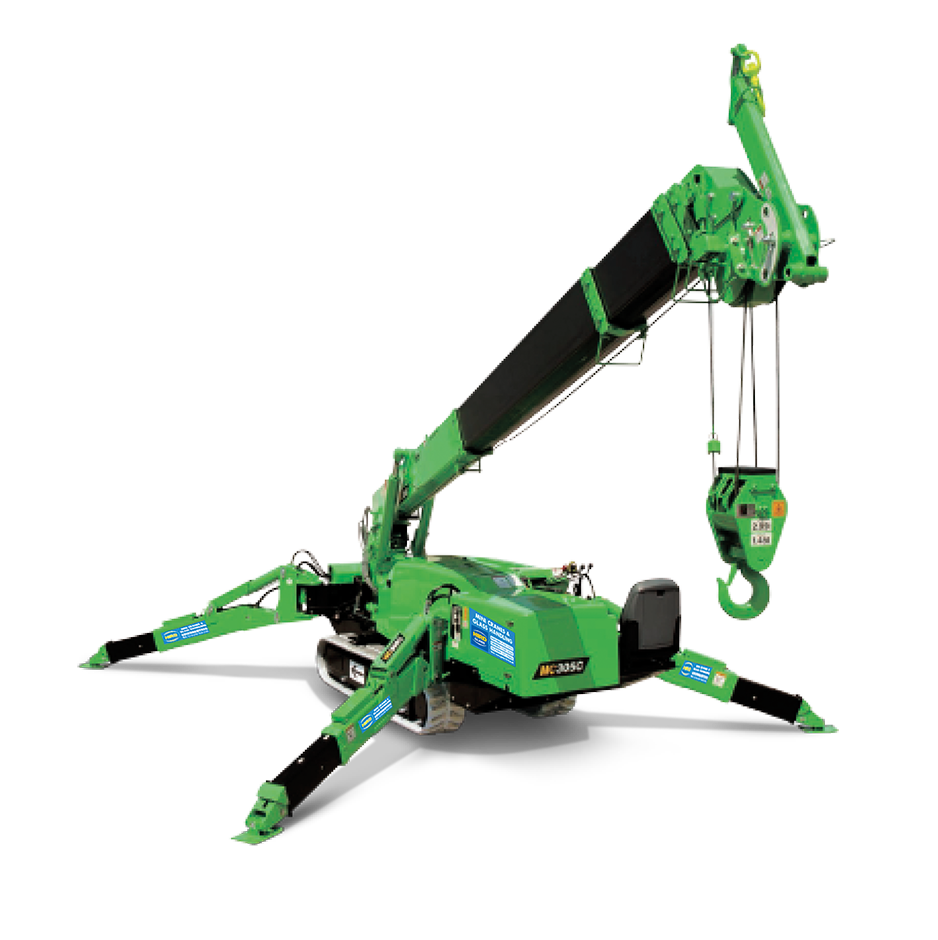
Hird can also supply a full range of mini cranes and counterbalance floor cranes to combine with our stone suction lifters to optimise the safety and productivity of any materials installation task.
They include Maeda spider cranes with safe working loads (SWL) ranging from 1.72t to 8.09t, and Valla pick and carry cranes, with SWLs from 2t to 25t.
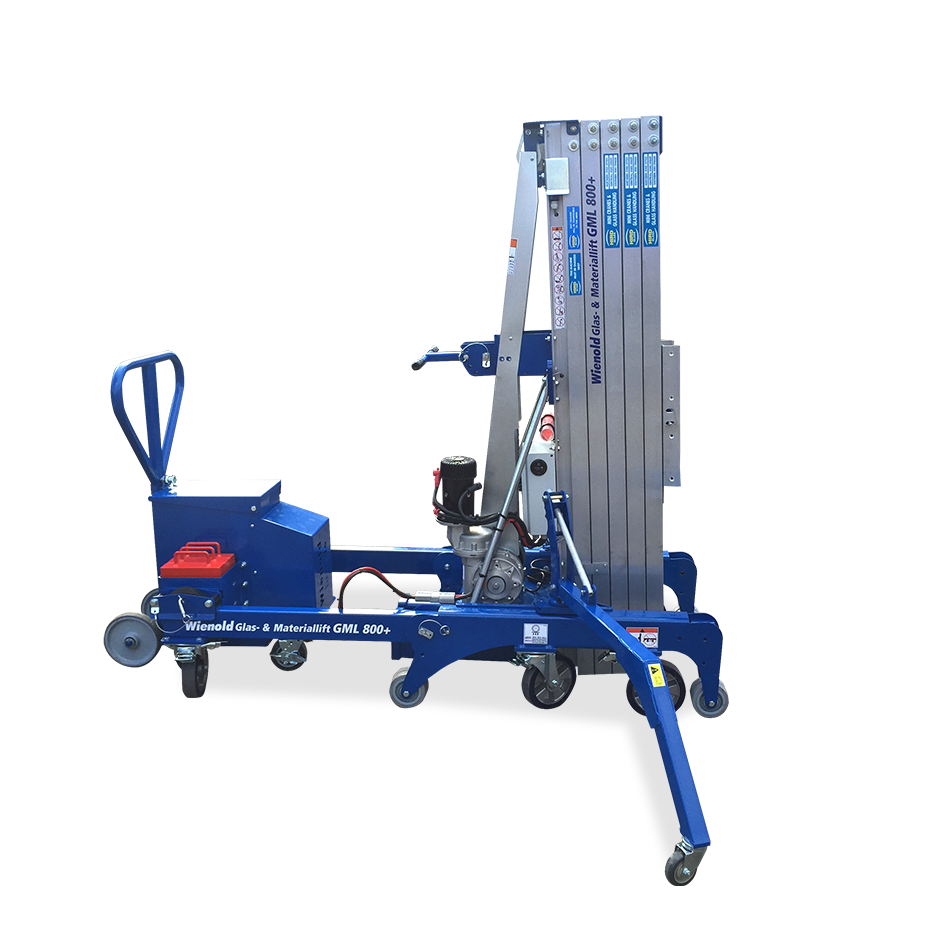
Counterbalance floor cranes available include the Wienold GML800+, which has an option to use electric drive to raise and lower loads of up to 800kg via a remotely-operated winch.
The Wienold MFC750K range of mini floor cranes, also available for hire from Hird, allows stone and GRC loads with SWLs up to 750kg to be lifted, moved and installed in highly-confined spaces.




Hird also provides a full range of training courses to operate vacuum lifters, notably the RTITB-accredited below the hook vacuum lifter course, CPCS-accredited A66 compact crane courses for spider cranes and pick and carry cranes, and the LEEA-accredited counterbalance floor crane course.
Find out more
Hird’s range of powerful stone and glass reinforced concrete vacuum lifters are available for hire across the UK via our three regional operational hubs.
Contact the helpful expert hire teams at each location today to book your stone suction lifter.
Email: [email protected]